

World Sleep Day: Why family sleep matters
Every year in March, the world celebrates World Sleep Day.
Most of the conversations around this day focus on adults: sleep and productivity, sleep and stress, sleep and mental health.
But there is a group of people whose sleep is disrupted more than almost anyone else: parents of babies and toddlers.
And yet, family sleep rarely receives the attention it deserves.
The Quiet Reality of Early Parenthood
When people imagine life with a baby, they often picture cuddles, first smiles, and small socks scattered around the house.
What many don’t imagine is the quiet exhaustion that builds up over months & years of poor sleep. Night after night of interrupted sleep.
Early mornings that start at 5 or 6 a.m. Evenings where patience is already running low before bedtime even begins.
Sleep deprivation changes how parents feel and react. It makes small problems feel bigger and decisions harder.
Many parents start wondering:
- “Why is this so hard?”
- “Did I do something wrong?”
- “Why does everyone else seem to manage?”
You Are Not the Only One
If nights feel overwhelming, it may help to know something surprising:
Research shows that between 20 – 30% of babies and toddlers experience sleep problems such as frequent night waking, difficulty falling asleep or early wakes.
In other words, millions of families worldwide are navigating the same challenge.
Yet many parents feel completely alone when they stand next to their child’s crib in the middle of the night.
Instead of talking openly about sleep struggles, many families simply try to push through.
The Myths around Baby Sleep
One reason sleep problems persist is the number of myths parents hear.
You may have heard things like:
- “He will sleep when he’s tired.”
- “They all grow out of it.”
- “You just have to survive the first years.” (they don’t say how many 😉)
These phrases are often meant to comfort parents. But sometimes they leave families feeling even more helpless.
Because if sleep struggles last for months or even years — exhaustion becomes the new normal.
When “Just a Phase” lasts too long
In many families, night waking is accepted as something inevitable. Parents adjust their lives around fragmented sleep. Mothers often sacrifice their own rest and health for months or years, believing this is simply part of parenting. Some even feel guilty for wanting better sleep.
But sleep is not a luxury. It is one of the most important pillars of health.
Sleep supports brain development, emotional regulation, learning and immune function — for children and adults alike.
Sleep is a need, falling asleep is a skill
Another important perspective often gets lost in the discussion.
Babies are not only sleeping. They are learning how to fall sleep.
During the first months of life, babies depend almost entirely on their parents to settle and return to sleep. As they grow, they gradually learn to connect their sleep cycles. And just like with any developmental skill (like rolling, standing up. talking, walking, riding a bicycle etc.), most children need a little guidance along the way.
Understanding how sleep develops can change the entire experience of bedtime and night-time for families.
Why Sleep Awareness Matters
That is exactly why initiatives like World Sleep Day make total sense.
They remind us that sleep is not only a personal or cultural issue.
It is a public health topic that affects wellbeing, learning, relationships and mental health.
For families with young children, better sleep can mean:
- calmer evenings
- more patient mornings
- improved mood for parents and children
- and a more balanced daily rhythm.
In other words, sleep does not only change the night. It changes how families experience life.
Sleep Well, Live Better
The message of World Sleep Day this year is simple: Sleep Well, Live Better.
And that message applies to families just as much as it does to adults.
Because when babies sleep better, something remarkable often happens.
✅ Parents feel calmer.
✅ Children cope better with the day.
✅ And the whole household breathes a little easier.
If you are currently navigating difficult nights with your child, remember this: You are not the only family going through it. And sleep challenges are not a reflection of your parenting. Sometimes they simply mean it is time to understand sleep a little better.
And if you need a hand, I am here to help.
Because your sleep matters too!





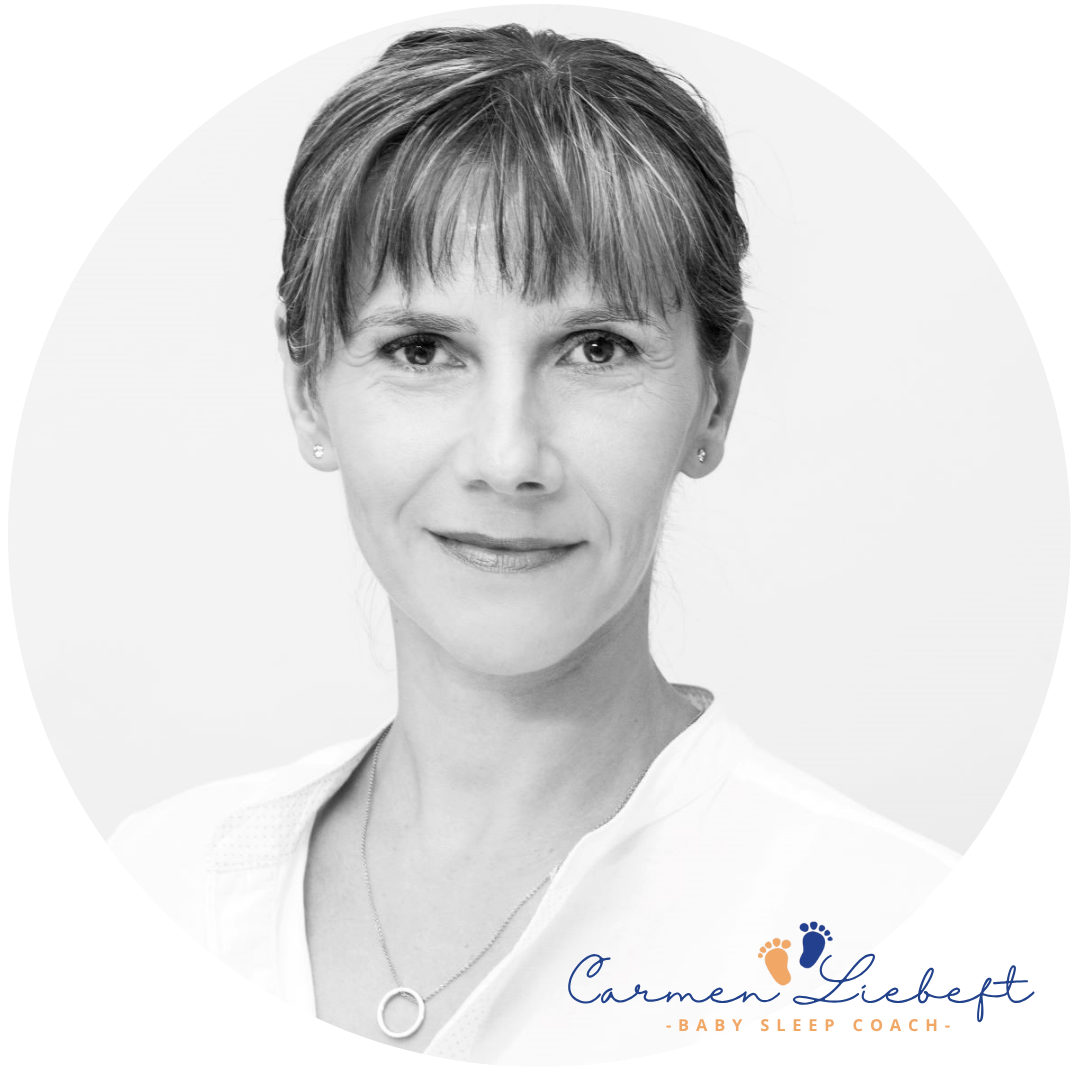
Carmen Liebert
Founder of Happy Baby Schlaf
Carmen Liebert is a certified Baby & Toddler Sleep Consultant, creator of the Baby Sleep Solutions Method. Over the last 5 years she has been helping 300+ English-speaking families across Europe get their sleep back through a holistic, science-based coaching approach which looks beyond routines and soothing techniques to uncover the missing pieces in each child’s sleep puzzle.
She specialises in babies & toddlers’ sleep from newborns to 4-year-old kids and also supports parents of autistic children with sleep challenges.